Trading is a Skill You Can Master Starting with Small Capital and Smart Strategies
· based on the channel Sierra Aaliyah
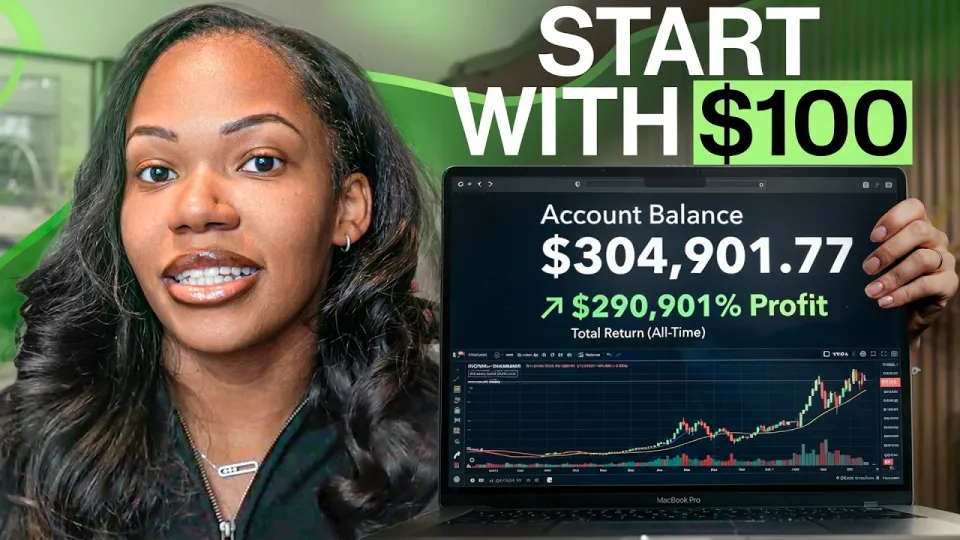
Video: How To Start Trading As A Beginner In 2026 (Step-by-Step)
Trading is the process of buying and selling financial instruments like stocks, options, and futures with the goal of making profits from market movements. It is not a get-rich-quick scheme but a skill that requires learning, patience, and discipline. Beginners can start trading with a modest amount of capital, typically between $300 and $2,000, and should focus on mastering foundational concepts and risk management to increase their chances of success. For a comprehensive beginner-friendly guide, Sierra Aaliyah provides a detailed roadmap at Crystal Academy Discord where you can learn alongside others.
What Trading Actually Is and What It Is Not
Trading involves actively buying and selling assets within short time frames to capitalize on price fluctuations. Unlike investing, which focuses on long-term holding, trading looks for quick opportunities in the market. It is not gambling or a guaranteed way to get rich fast. Successful trading requires understanding market behavior, technical analysis, and disciplined execution. Starting with realistic expectations and a clear plan is essential.
Understanding Calls, Puts, Options vs Futures
Options are contracts that give you the right, but not the obligation, to buy (calls) or sell (puts) an underlying asset at a specific price before expiration. Calls profit when the price rises; puts profit when the price falls. Futures are agreements to buy or sell an asset at a predetermined price on a future date and usually require more capital and carry different risk profiles.
Choosing between options and futures depends on your schedule, risk tolerance, and capital. Options offer flexibility and defined risk, making them more beginner-friendly, while futures are often used by advanced traders due to their complexity and leverage.
Essential Platforms and Tools for Beginners
Using the right broker and charting platforms can streamline your learning and trading process. Sierra recommends Webull as a reliable broker with a user-friendly interface and commission-free trades, ideal for beginners. For chart analysis, TradingView is a powerful platform that offers customizable charts and indicators.
Beginners should familiarize themselves with candlestick patterns, market structure, and volume analysis on these platforms. Many offer paper trading modes where you can practice without risking real money.
The Three Key Concepts Every Trader Must Master
- Risk Management: Never risk more than a small percentage of your trading capital on a single trade. Protect your downside with stop-loss orders.
- Trade Planning: Enter trades based on clear setups, not emotions or random guesses. Know your entry, exit, and profit targets.
- Trading Psychology: Control emotions like fear and greed. Accept losses as part of the process and avoid chasing quick profits.
Mastering these principles reduces the likelihood of early quitting, which happens to many beginners within the first two months.
Common Beginner Challenges and How to Overcome Them
Many beginners struggle with chart reading, inconsistent strategies, and emotional decisions. It's normal to face losses and frustrations at first. Paper trading helps build confidence and refine strategies without financial risk. Focusing on higher timeframes rather than minute-by-minute charts can reduce stress and improve decision-making.
Finding a mentor or joining a community, such as Sierra Aaliyah’s Crystal Academy, can provide guidance and accountability. Patience and consistent practice are critical to achieving profitability.
Useful Links
- Join the Crystal Academy Discord for mentoring and community support: https://whop.com/c/crystal-academy/youtube
- Webull broker for beginner-friendly trading: https://www.webull.com/k/SierraUSA
- Sierra Aaliyah Instagram for tips and updates: https://www.instagram.com/sierra.aaliyah/
- Sierra Aaliyah TikTok for quick trading insights: https://www.tiktok.com/@sierraxliyah
Conclusion
Trading is an accessible skill that anyone can learn with the right mindset, knowledge, and tools. Starting with a manageable capital of $300 to $2,000, practicing through paper trading, and mastering core concepts like risk management and trading psychology set the foundation for success. Challenges are inevitable, but persistence and learning from mistakes can lead to consistent profitability. For structured guidance, Sierra Aaliyah’s Crystal Academy offers valuable resources and community support to help beginners navigate their trading journey effectively.
Key takeaways
- Start trading with as little as $300 to $2,000 capital
- Understand key concepts: calls, puts, options vs futures
- Use paper trading to practice before risking real money
- Choose reliable platforms like Webull and TradingView
- Master trading psychology to avoid early quitting
Questions & answers
Is $300 enough to start trading successfully?
Yes, you can start trading with as little as $300. The key is to focus on learning, managing risk, and practicing with paper trading before using real money.
What is the difference between calls and puts in options trading?
Calls give you the right to buy an asset at a certain price and profit if the price rises. Puts give you the right to sell an asset at a certain price and profit if the price falls.
How can beginners avoid quitting trading within the first two months?
Most beginners quit due to losses and emotional frustration. Avoid this by paper trading first, managing risk strictly, and developing a patient, disciplined mindset.
Are options or futures better for beginner traders?
Options are generally better for beginners because they offer defined risk and more flexibility. Futures are more complex and typically require more capital and experience.
Source: How To Start Trading As A Beginner In 2026 (Step-by-Step) · Markdown version